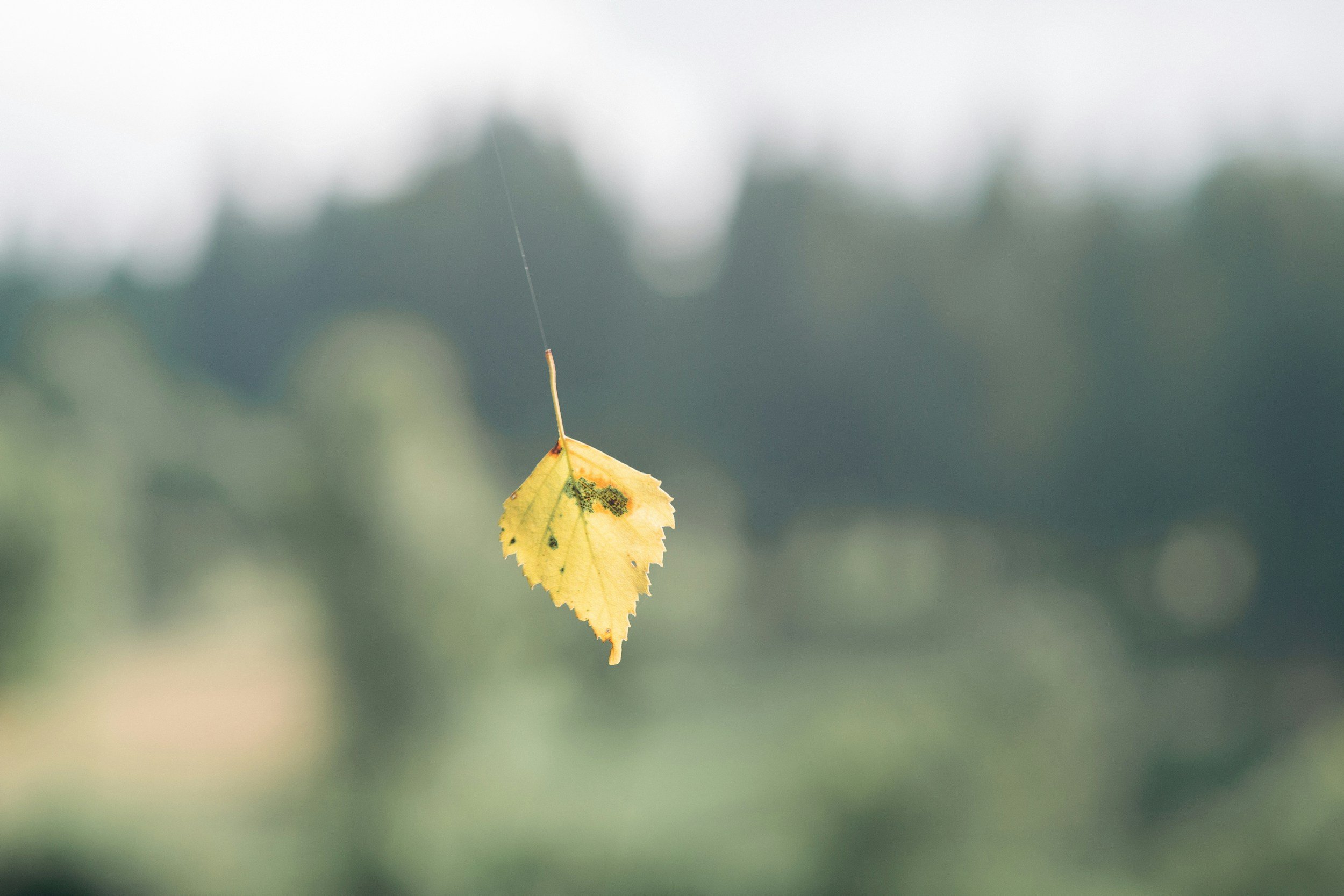
Disconnection

Disconnection from ourselves, others, and the natural world is a common part of life. When it arises, the nervous system can feel out of balance, tipping toward doing, pushing, or bracing, while the body’s natural capacity to rest, soothe, and soften becomes harder to access. By noticing everyday moments of disconnection, we open the door to awareness, choice, and connection.

Physical Wellbeing

Scenario: Skipping meals, low activity, disrupted sleep

Disconnection: Neglecting physical needs

Noticeable experiences: Feeling tired, tense, or irritable

Mental and Emotional Wellbeing

Scenario: Negative self-talk, constant busyness, information overload

Disconnection: Losing touch with thoughts and feelings

Noticeable experiences: Feeling scattered, overwhelmed, or emotionally distant

Social Wellbeing

Scenario: Limited connection with friends, family, or community

Disconnection: Feeling isolated or unsupported

Noticeable experiences: Feeling lonely, misunderstood, or withdrawn

Spiritual Wellbeing

Scenario: Ignoring what matters most, neglecting personal beliefs or nature connection

Disconnection: Losing touch with purpose, values, or meaning

Noticeable experiences: Feeling ungrounded, restless, or disconnected from what gives life meaning

Environmental Wellbeing

Scenario: Modern routines separating us from nature, spending less time outdoors and missing the small, everyday signs of the natural world.

Disconnection: Fewer birds, native plants, and insects in local areas, reducing opportunities to notice and enjoy the natural world.

Noticeable experiences: Feeling less energised, missing the sensory richness of time spent in natural spaces, missing changes in the environment.